Rooftops Alive: UK Green Roofs Nurturing Native Life
Skyline Habitats That Thrive
From Sedum Mats to Meadow Roofs
Lightweight sedum mats are a dependable start, yet biodiverse meadow roofs—sown with bird’s‑foot trefoil, red clover, selfheal, and knapweed—invite richer life. Mix shallow and deeper zones, scatter logs and stones, and let micro‑topography collect rain. Over seasons, flowering sequences lengthen, hoverflies multiply, and seedheads feed finches. Embrace seasonal scruffiness; it shelters invertebrates through winter, supporting hungry robins and wrens when the city feels lean and grey.
Why Native Species Matter Up High
Native plants align with local soils, rainfall patterns, and the life cycles of British pollinators whose tongues, bodies, and timing evolved together. Choosing local provenance seed reduces maintenance, curbs invasive risk, and anchors roofs within regional ecological stories. Black redstarts hunting among sparse gravel, bumblebees timing brood growth to clover flushes, and ladybirds overwintering beneath dried stems are not accidents; they are partnerships renewed each spring by familiar, time‑tested flora.
Designing for Birds, Bees, and Bats
Creating Nesting Opportunities
Integrate boxes for swifts, sparrows, and starlings into façades, and add crevice‑like cavities behind screens where black redstarts may prospect. Keep gravelly zones open for foraging, and place coarse substrates near parapets to mimic brownfield textures. Schedule cuts and inspections outside nesting windows, and leave seedheads standing through winter. Small trays of water, refreshed often, draw goldfinches and house sparrows to bathe, while low mounds offer vantage points and crumbs of safety against passing gulls.
Pollinator Highways Across Rooftops
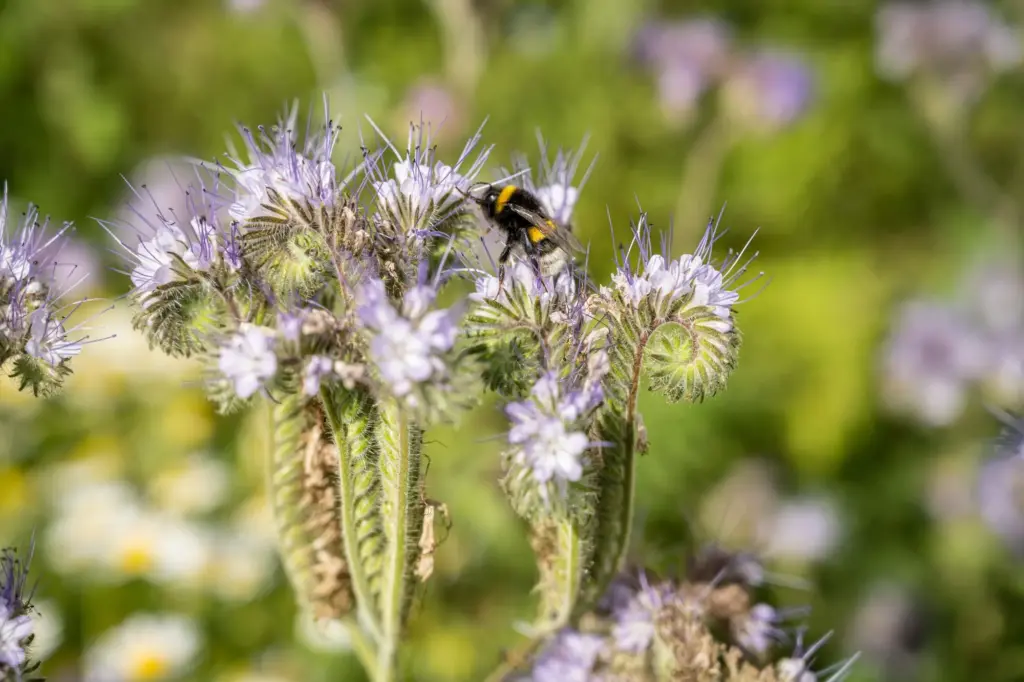
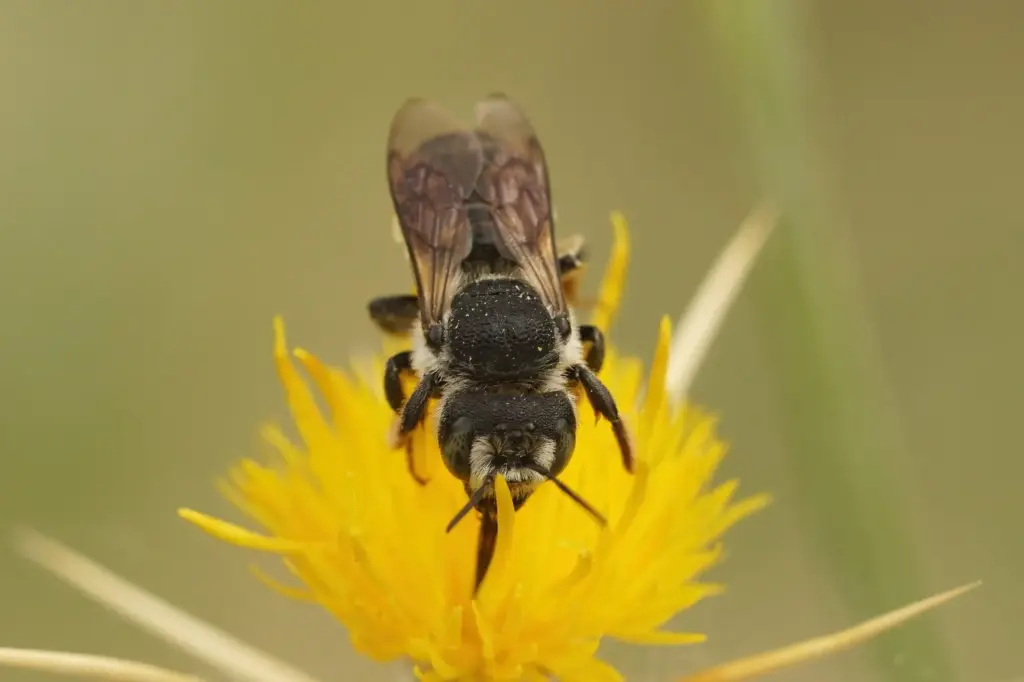
Arrange flowering in succession: willow and lungwort for early queens, then thyme, trefoil, and cranesbill, with late knapweed and scabious to sustain tired workers into autumn. Link roofs across streets through planters on balconies and terraces, creating stepping stones between nectar islands. Avoid reflective glare and harsh winds by using planters as baffles. Mark bloom gaps each year, overseed lightly, and crowdsource sightings from neighbours, turning dispersed buildings into a cooperative, city‑scale pollinator route network.
Nocturnal Pathways for Urban Bats
Bats hunt where insects gather, so pair water trays, fragrant evening flowers, and sheltered flight corridors. Keep lights warm‑toned, targeted, and dim, shielding uplight that fragments routes. Install bat boxes beneath overhangs away from prevailing winds. Low planters can reference hedgerow structure, guiding movement along edges to calm corners. As summer deepens, acoustic surveys reveal pipistrelles tracing the skyline, their zigzags telling you which corners are rich, and where a simple tweak could unlock a darker, safer passage.
Water, Soil, and Resilience
Substrate Depths and Diversity
Stormwater As a Lifeline
Drought-Proof Planting Strategies
Community Stories from Across the UK
A London Warehouse Reborn
When a logistics roof swapped monotone sedum for varied depths, gravel tongues, and trefoil‑rich seed, staff began spotting cinnabar moths, then a flash of orange‑tailed redstart on a misty morning. Maintenance shifted to seasonal windows, leaving seedheads to stand. The facilities manager now keeps a simple log, invites lunchtime counts, and hosts a spring seeding day. Each year the roof looks different, and that’s the joy—change signals life, and life keeps people caring, learning, and returning.
Sheffield’s Steel to Green
On a mid‑rise near the station, a small team worked with local ecologists to trial recycled aggregates and sparse meadows. Students helped map bloom timing, identifying gaps in late summer. Overseeding with knapweed and scabious stretched nectar into September, just as bees needed it. Tenants now recognize plants by name, swapping stories in lifts after rainstorms. What began as compliance matured into pride, a rooftop that reflects the city’s grit and generosity in every tiny purple flower.
Glasgow’s Rain and Recovery
Frequent showers inspired a design with gentle bowls and moss‑friendly edges that stay green even in wind. Planters double as windbreaks, nurturing bell heather and thrift in lifted, drier spots. Winter counts track robins and wagtails tip‑toeing for midges along puddled seams. The building’s team learned to love the roof’s changing complexion—glossy after rain, faded during rare heat—accepting that variability is not mess but memory, recording each storm, thaw, and birdsong across the seasons.
Monitoring, Science, and Success Metrics
Citizen Science on the Roof
Data that Sings with Birds
Adaptive Management Wins
Policy, Funding, and Practical Pathways
All Rights Reserved.