
Skyline Gardens, Neighbourhood Hearts

Join us as we explore grassroots roof garden initiatives flourishing across London, Manchester, and Glasgow, where neighbours turn overlooked rooftops into buzzing habitats, food-growing spaces, and warm social hubs. From cooperative planters and water catchments to pollinator corridors and story-filled gatherings, these elevated commons stitch streets together, soften heat, and inspire courage. If you’re curious about starting or joining one, you’ll find practical steps, hopeful examples, and clear invitations to connect, share, and keep learning alongside a growing citywide network.

From Empty Rooftops to Shared Sanctuaries

The most ordinary flat roof can become a place where tomatoes blush, bees linger, and shy neighbours finally learn each other’s names. Across London, Manchester, and Glasgow, residents unlock doors long ignored, sweep gravel, test loads, and coax soil to life. It begins with conversations, tea in stairwells, and a brave note on the lift noticeboard. Soon, trellises catch the wind, herbs scent the rails, and a once-silent surface hums with care, possibility, and the rhythms of shared stewardship.
Before pots and compost arrive, crews check access routes, measure parapets, and consult a structural engineer to understand load limits in gentle, practical language. A quiet Saturday trial with ten watered containers teaches balance, drainage, and teamwork. Someone brings biscuits, another brings gloves, and trust begins. In Hackney, a resident recalled the first lettuce harvest as the moment the project felt real, proof that sunlight, patience, and collective effort can change how a building breathes.
Momentum grows from modest triumphs: a single planter overflowing with nasturtiums, a borrowed rain barrel that actually fills, a child’s drawing of rooftop robins taped by the lift. Celebrate these with photos, a shared message thread, and informal tea circles. In Ancoats, a five-minute seed swap after work doubled membership in a week. When victories are visible and welcoming, hesitant neighbours step forward, bringing stories, tools, playlists, and the steady energy needed to keep meeting on breezy evenings.

Permissions, Safety, and Peace of Mind

Good intentions soar higher when paperwork, safety, and clarity stand beneath them. Speak early with freeholders, housing associations, or management committees, agreeing on access hours, weight limits, water points, and responsibility for maintenance. Record decisions in simple, friendly documents. Follow local guidance on fire safety and materials, choose non-combustible edges, and keep tidy routes for evacuation. People relax when risk is acknowledged and managed, and relaxed people stay, build, plant, teach, and welcome others into a stable, trustworthy place.

Designing for Biodiversity, Beauty, and Resilience

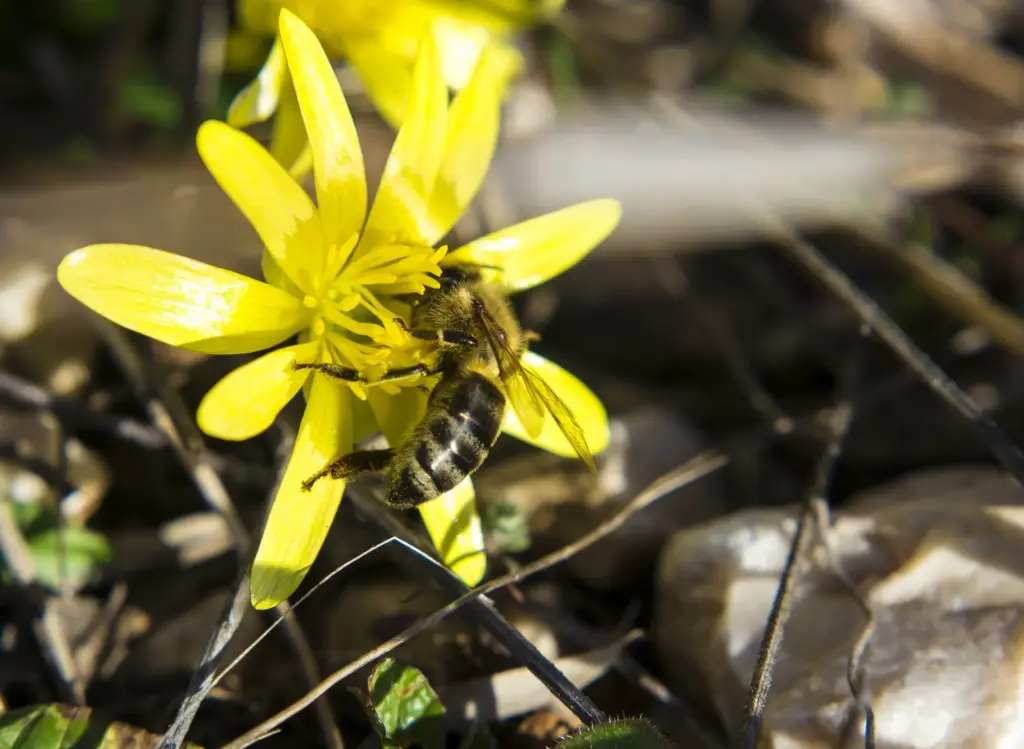
Design finds harmony between a roof’s temperament and a neighbourhood’s hopes. Shallow planters favour drought-tolerant herbs; deeper beds suit courgettes and currants. Color lifts spirits across grey skylines, while varied heights feed wildlife curiosity. In London, the National Park City spirit encourages playful connections between buildings. In Manchester, bees on yellow trefoils echo the civic emblem. In Glasgow, rain resilience matters, with gutters, water butts, and gentle overflows. Thoughtful choices invite wingbeats, foster learning, and keep maintenance joyful.

01

Plants that Thrive from Thames to Irwell to Clyde

A balanced palette respects wind, drought, and winter damp. Sedums, thyme, and chives shrug off thin soils; calendula, cornflowers, and marigolds draw pollinators. Strawberries charm children into regular watering. In Manchester’s breezy cores, tougher grasses shelter delicate blooms. In London’s heat pockets, Mediterranean herbs shine. In Glasgow’s wetter spells, drainage layers and airy substrates protect roots. Mix perennials for structure with seasonal bursts for excitement, and mark experimental corners where curious neighbours trial new species without risking the whole design.

02

Water, Drainage, and Weather Extremes

Rain barrels transform downpours into gentle summer drinks, while staged overflows protect facades and walkways. Capillary mats under planters reduce daily demands, and mulches steady moisture. During heat spikes, shade cloths and early-morning watering prevent stress. During storms, secure anything that could lift. In Glasgow, extra downpipe filters tackle leaf fall; in London courtyards, linked butts share surplus with ground-level beds. Practical, beautiful water systems become teaching tools, proving resilience is not stern austerity but friendly preparedness everyone can learn together.

03

Pollinators, Birds, and Tiny Homes

Plant successions ensure nectar from early spring to late autumn, while clustered blooms make for efficient foraging. Bee hotels with varied tube widths welcome solitary species; shallow dishes with pebbles offer safe sips. Nest boxes face quiet directions, and log piles cradle beetles. In Manchester, green ribbons between rooftops echo community orchards below. In London, balcony planters nearby extend corridors. In Glasgow, swift boxes under eaves turn fly-bys into homecomings. Biodiversity thrives where humans keep noticing, recording, and gently improving each season.

Organising People and Money Without Losing Soul

Start with the building: caretakers, cleaners, and neighbours who know forgotten keys and hidden taps. Then widen to corner shops, libraries, and youth clubs. In London, a local cafe offered coffee grounds for compost; in Manchester, a school science club logged pollinators; in Glasgow, a choir rehearsed under bean arches. Each ally adds threads of continuity that weather holidays, moves, and rain. Ask specifically, thank loudly, and invite contributions shaped by people’s strengths rather than a one-size-fits-all volunteer script.
Budgets shine when shared early: planters, soil, tools, insurance, workshops, contingency. Use simple sheets, open bank accounts with dual signatories, and post monthly snapshots. Blend community donations, small grants, and in-kind gifts. In Trafford, a match-funded appeal unlocked ladders and safe storage. In Camden, a resident artist offered mural vouchers for larger donors, turning generosity into colour. Funding should feel like a celebration of shared priorities, where every pound, trowel, and water butt carries a story the group can retell.
Rotate leadership gently: watering leads in summer, seed-starting coordinators in spring, compost stewards year-round. Use short, clear role cards and welcome pauses without guilt. Pair new volunteers with buddies; check energy levels monthly. In Glasgow, a quarterly ‘quiet week’ kept joy alive. In Manchester, short playlists set a friendly work tempo. In London, micro-trainings on pruning and safe lifting prevented injuries. When care circulates between people as intentionally as water between barrels, roots deepen, and enthusiasm stays green.

Seasons on the Roof: Care, Joy, and Learning

A roof teaches in cycles. Spring invites optimism and method; summer asks for steadiness; autumn prefers reflection and repair; winter rewards patience and planning. Mark transitions with small rituals: seed blessings, solstice teas, harvest notes, and photo boards. Invite newcomers at gentle moments when tasks are simple and conversations can linger. Children plant radishes that germinate fast; elders share pruning wisdom. Through the turning year, the space gathers memory, and the calendar itself becomes a mentor the group trusts.

Measuring Impact and Telling Stories that Travel

Numbers make change visible; stories make change lovable. Track volunteer hours, harvest weights, rainwater captured, and species spotted, then translate them into human-scale benefits like shared meals, cooler rooms, and softer noise. Pair data with faces and first names, showing who felt braver, calmer, or more at home because of this work. When evidence and emotion dance together, councils listen, funders nod, and distant neighbours whisper, maybe we could try that here, on our building, with our friends.

What to Count and Why It Motivates

Keep it simple and steady: a monthly biodiversity tally, litres of tap water avoided, kilograms of compost diverted, attendance for each workday, and a quarterly well-being pulse check. Publish results on a cheerful board by the lift and a shared folder online. In London, connecting metrics to the National Park City ethos inspires pride. In Manchester, tying pollinator counts to the worker bee symbol feels resonant. Data should nourish, never shame, inviting everyone into the next small improvement.

Sharing Results with Style and Honesty

Photograph hands, laughter, and the quiet corners where reflection happens, not only perfect harvests. Admit failures early: wind-snapped sunflowers, aphid surges, or overwatered seedlings. Curiosity beats defensiveness. In Glasgow, a candid post led an experienced neighbour to gift sturdy trellis offcuts. Short newsletters, friendly social posts, and occasional long reads keep supporters close. If you’re reading this, subscribe, comment with your rooftop hopes, and tell us what you’d like guidance on next month to shape our shared learning.