Skylines in Bloom: Rooftop Harvests and City Honey Across Britain
Roots Above the Street
A Short History in High Places
From wartime campaigns that encouraged household vegetables to modern planning guidance promoting green roofs, the path upward has been steady and inventive. Derelict warehouses gained life, social housing added gardens, and businesses discovered staff wellbeing improves when lunch breaks smell like tomato leaves and warm beeswax.
Why Bees Thrive Over Brick
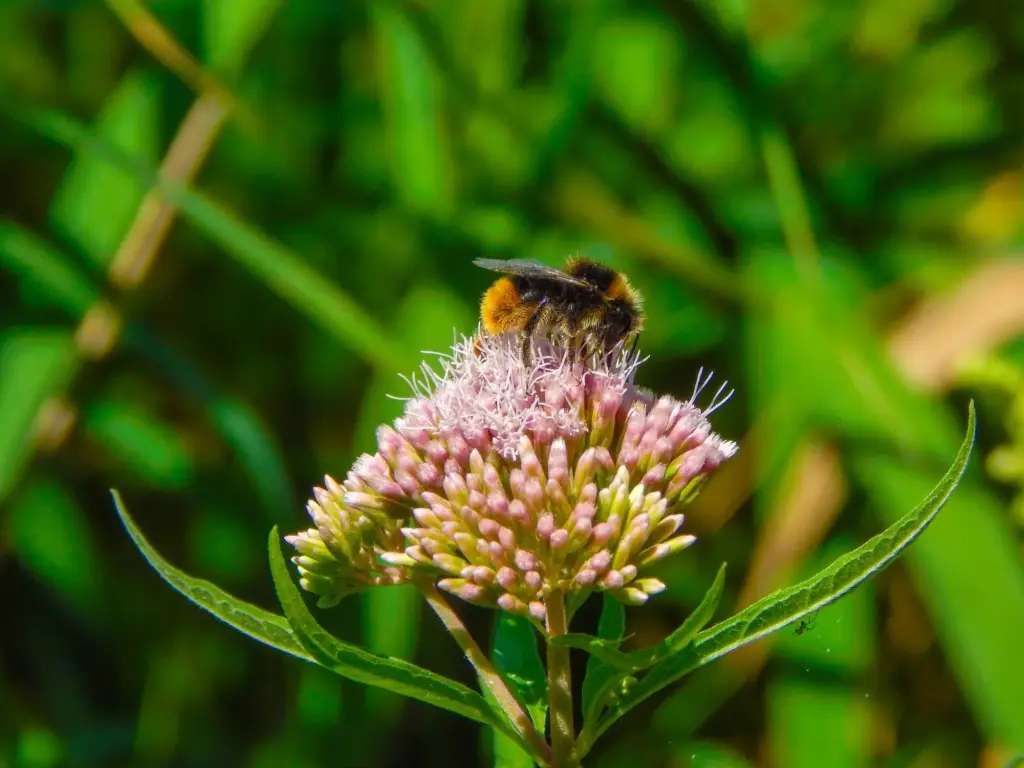
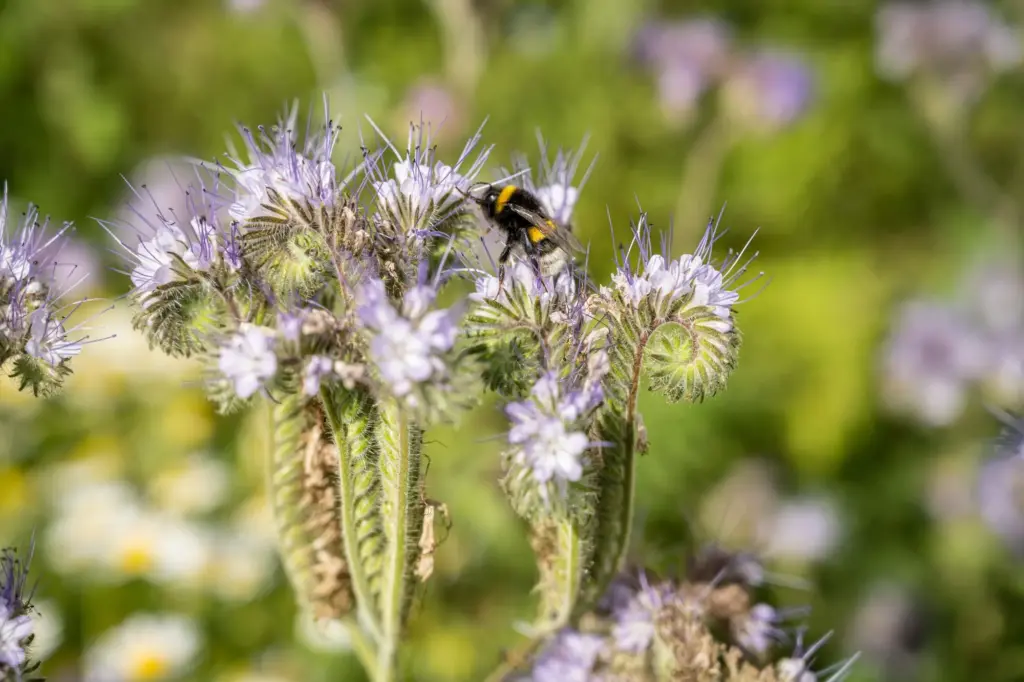
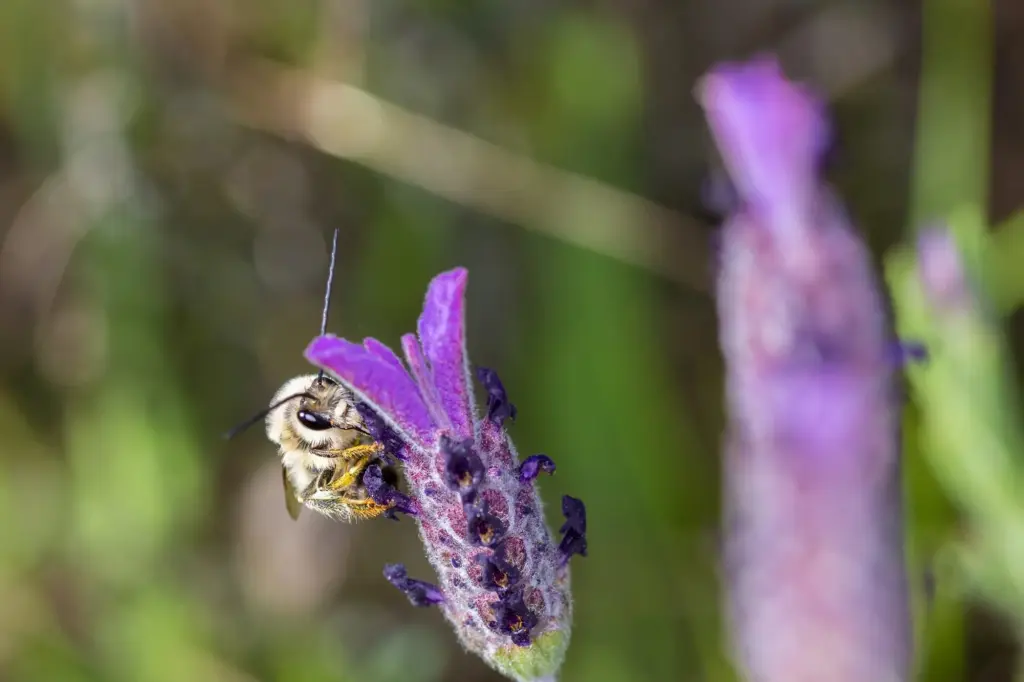
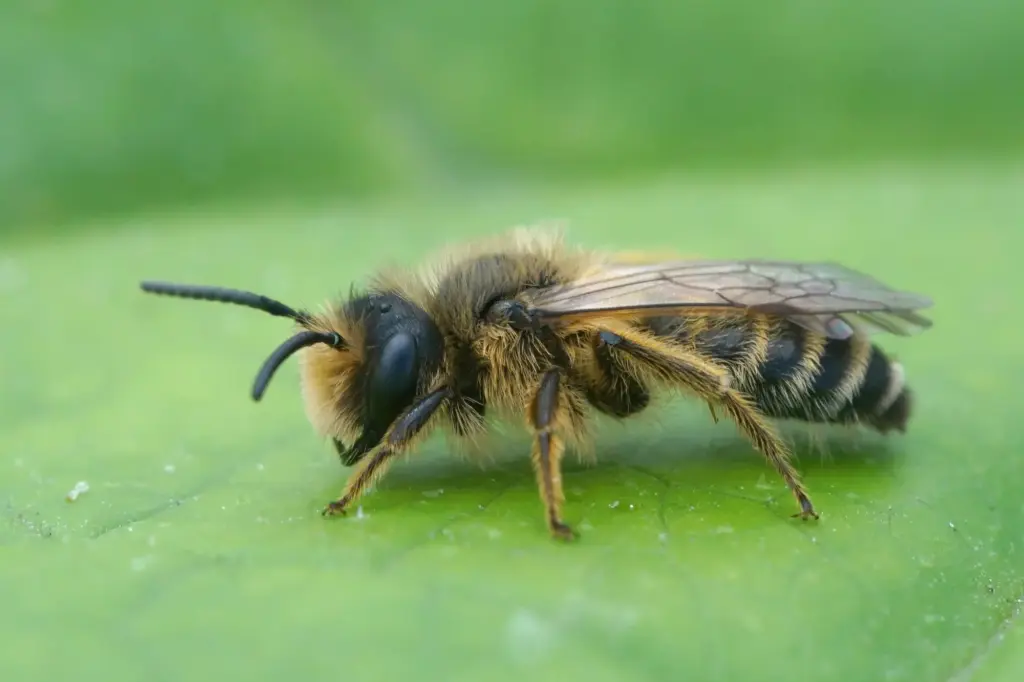
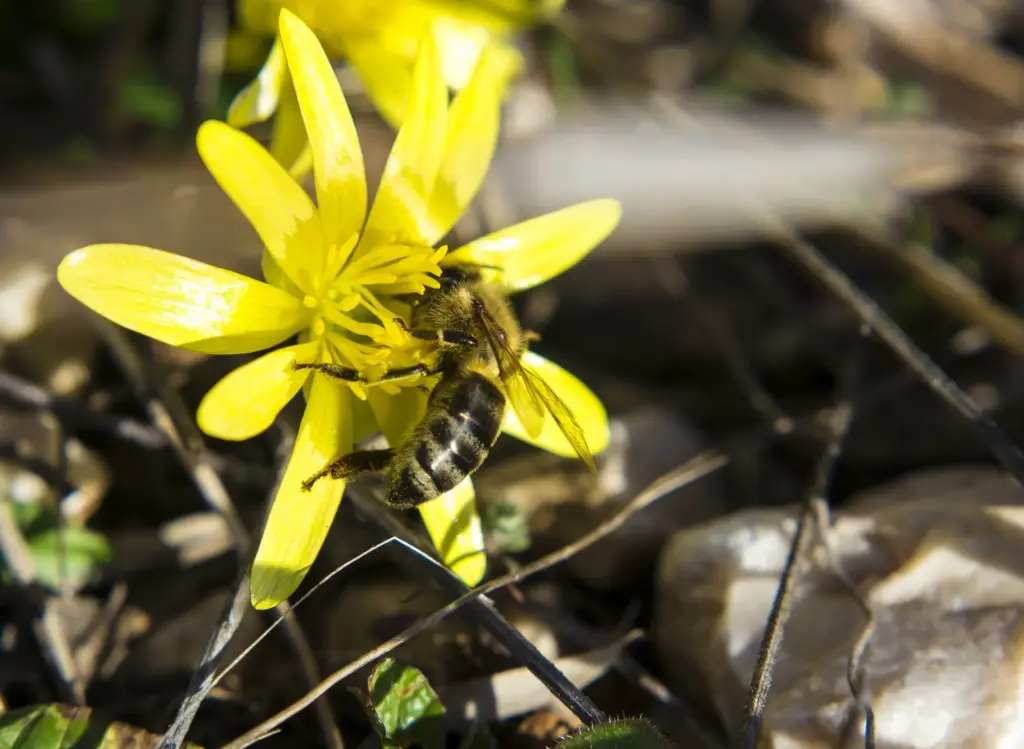
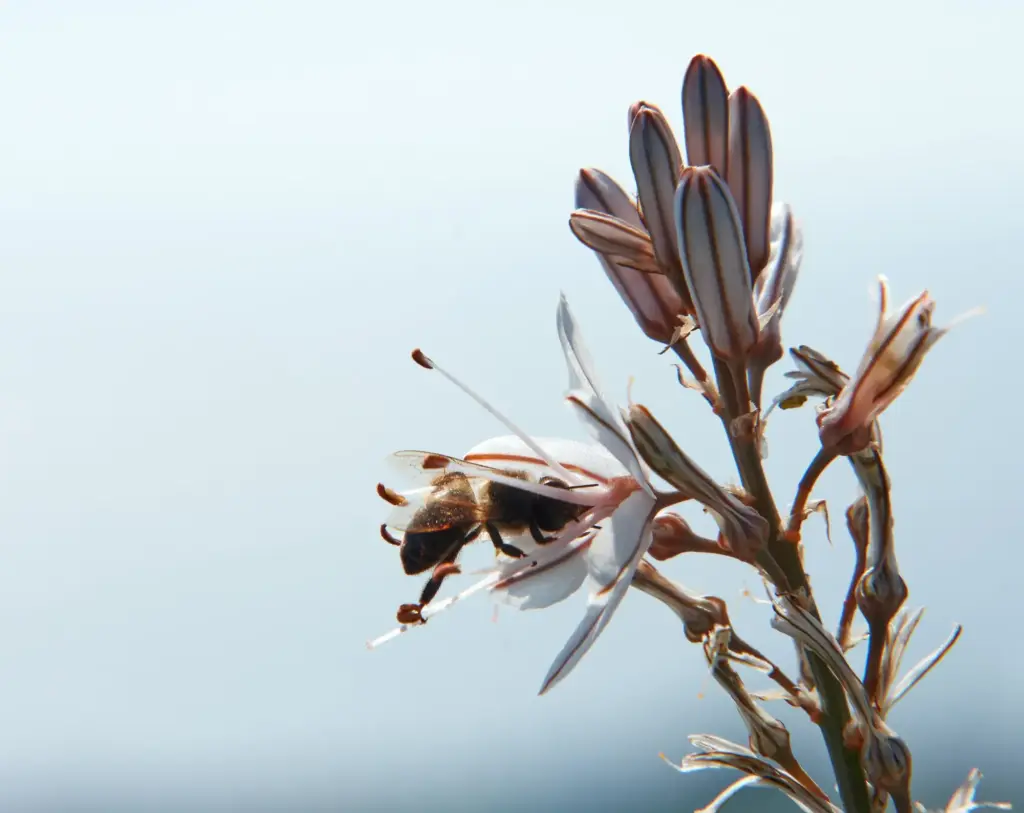
City centres often shelter bees from intensive agricultural chemicals, offering varied forage from limes, plane trees, canal edges, railway verges, and balcony herbs. Higher rooftops enjoy warmer microclimates and fewer predators, while extended bloom sequences let colonies build strength gently, provided keepers avoid overcrowding and respect neighbouring pollinators.
Designing Productive Roofscapes
Weight, Wind, and Water
Calculate saturated weights, snow loads, and safety margins before a single tray is lifted. Wind scours soil, topples hives, and steals moisture, so baffles and anchoring matter. Design drainage to slow runoff, harvest rain, and protect membranes, because roots, boots, and wheels all demand dependable pathways for water.
Soil, Substrates, and Containers
Deep soil is heavy, so choose engineered substrates that balance nutrition, drainage, and weight. Wicking beds limit watering visits, while compost teas refresh biology without odours. Growers mix perlite, biochar, and leaf mould, adjusting textures for carrots, tomatoes, and herbs, then mulch generously to buffer heat and evaporation.
Safe Paths and Shared Access
Guardrails, non‑slip walkways, and clear signage keep everyone safe during planting rushes and honey harvests. Schedule lift access fairly, document emergency routes, and store smokers responsibly. Invite residents to induction tours so curiosity becomes confidence, creating caretakers who notice leaks, loose lids, and thirsty beds before problems multiply.
The Beekeeper’s Skyline Playbook
Reading the City Nectar Calendar
Track peaks like lime in June, bramble through high summer, and ivy’s late nectar when days shorten. Roof hives near wildflower verges or canals benefit from continuous variety. Keep notes after rain, heatwaves, and roadworks, learning which microclimates sing and which corners demand shade, water, or fewer boxes.
Gentle Stock and Calm Handling
Select calm, hygienic queens from trusted breeders, prioritising traits suited to close neighbours and frequent inspections. Work slowly, keep spare frames ready, and avoid heavy smoke that drifts into flats. Replace old combs, monitor varroa consistently, and share findings with local associations to strengthen collective knowledge and resilience.
Honey with Terroir of Tower Blocks
Leafy Greens with Skyline Crunch
Collaborations with Cafés and Schools

Resilience, Biodiversity, and Climate
Permissions, Policies, and Insurance
Funding and Community Momentum
All Rights Reserved.